 India
India Europe
 France
 Germany
 UAE
UAE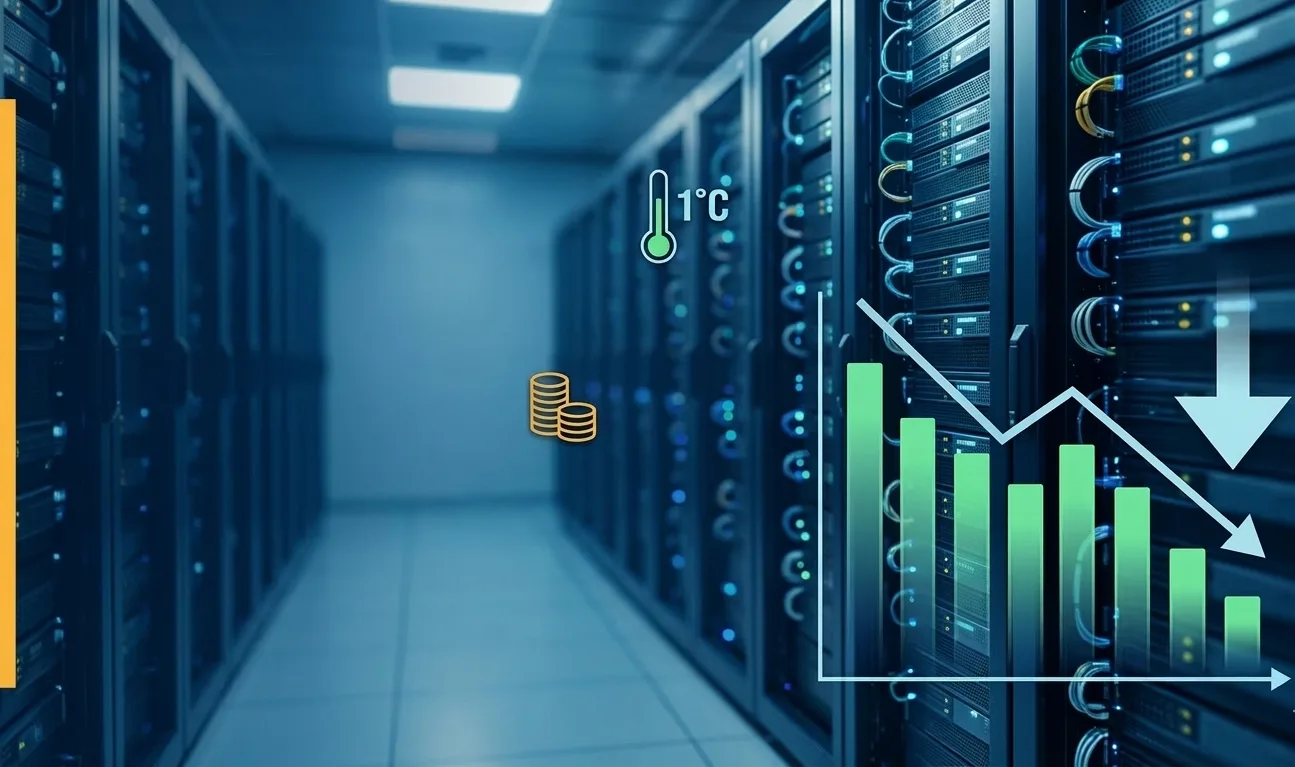
Cooling systems account for a major portion of energy consumption in modern industrial facilities and data centers. Even a small optimization in cooling operations can significantly reduce electricity costs. This case study explores how a simple 1°C cooling optimization helped a hyperscale facility improve data center cooling efficiency and save ₹10–12 lakhs per month in energy expenses. By optimizing cooling tower performance, airflow distribution, and heat rejection efficiency, the facility achieved an 8–10% reduction in cooling energy consumption without compromising reliability. The article also highlights how technologies like energy-efficient cooling towers, fluid coolers, and adiabatic cooling systems help industries improve industrial cooling optimization and operational sustainability.
📊 Quick Snapshot
In modern industrial facilities and hyperscale data centers, cooling systems consume a significant portion of operational energy. Whether it is a high-density computing environment or a large manufacturing plant, maintaining the right temperature is critical for performance, reliability, and equipment lifespan.
But what if a tiny temperature adjustment of just 1°C could save lakhs of rupees every month?
It may sound surprising, but energy engineers worldwide have discovered that cooling optimization plays a huge role in reducing electricity costs. By improving data center cooling efficiency and optimizing cooling tower operations, organizations can dramatically lower energy consumption.
According to industry research, cooling infrastructure can account for 30–40% of total energy consumption in data centers. This makes cooling optimization one of the most effective strategies for improving data center cooling efficiency and reducing operational costs in modern facilities.
How Can a 1°C Cooling Optimization Save Energy?
Reducing cooling system temperature by just 1°C can lower energy consumption by 2–4% in large industrial facilities because:
- compressors operate under reduced load
- cooling towers reject heat more efficiently
- airflow and pump energy requirements decrease
In high-load environments like data centers and industrial plants, even this small adjustment can translate into lakhs of rupees in monthly energy savings.
Why Cooling Efficiency Matters in Modern Facilities
Cooling infrastructure is one of the largest energy consumers in industrial environments. In data centers alone, cooling can account for 30–40% of total power usage.
Facilities typically rely on systems such as:
- Cooling towers
- Fluid coolers
- Closed circuit cooling towers
- Adiabatic cooling systems
- Industrial HVAC infrastructure
These systems remove heat generated by equipment and maintain stable operating temperatures. However, even a small inefficiency in cooling systems can lead to massive energy waste.
For example:
- Over-cooling equipment increases compressor load
- Poor heat rejection reduces system efficiency
- Incorrect temperature setpoints increase electricity consumption
This is why industrial cooling optimization has become a top priority for facility managers, plant engineers, and sustainability teams.
The Hidden Cost of Inefficient Cooling Systems
Many facilities unknowingly operate their cooling infrastructure below optimal efficiency levels.
Common issues include:
- Incorrect Temperature Setpoints: Facilities sometimes set lower temperatures than necessary, causing unnecessary cooling loads.
- Inefficient Cooling Towers: Older cooling towers may struggle with heat rejection efficiency, leading to increased energy use.
- Poor Heat Exchange Performance: When heat transfer surfaces degrade or airflow is restricted, cooling systems must work harder.
- Lack of Cooling Optimization Strategies: Without monitoring and optimization, cooling systems operate far from their ideal performance levels.
These inefficiencies translate into higher energy bills, increased carbon emissions, and unnecessary operational costs.
Case Study: How a 1°C Optimization Delivered Massive Savings
To understand the impact of cooling optimization, let's look at a real-world inspired case scenario.
Facility Profile
A large hyperscale facility operating in India had the following characteristics:
- IT Load: 5 MW
- Cooling Infrastructure: Cooling towers + fluid coolers
- Operational Model: 24/7 continuous operation
- Monthly Electricity Cost: ₹1.5–2 crore
Like many facilities, cooling systems accounted for a major share of total electricity consumption. The facility management team noticed that energy costs were gradually increasing, particularly during peak summer months.
The Problem
After conducting an energy audit, engineers discovered several issues:
- Cooling setpoints were lower than necessary
- Cooling towers were operating under non-optimized load conditions
- Excessive cooling capacity was being used
This meant the facility was spending far more energy than required to maintain safe operating temperatures.
The Optimization Strategy
Engineers introduced a small but strategic change. They increased the cooling system setpoint by just 1°C while optimizing airflow and cooling tower efficiency.
The strategy included:
- Adjusting cooling tower operating parameters
- Improving heat rejection performance
- Balancing airflow distribution
- Enhancing fluid cooler efficiency
Importantly, this change did not compromise equipment safety or reliability.
Energy Savings Breakdown: Where the ₹12 Lakhs Came From
After implementing the 1°C optimization strategy, the facility observed measurable improvements.
- Reduced Compressor Load: Cooling systems require less energy when temperature differences are optimized. This reduced compressor workload significantly.
- Improved Heat Exchange Efficiency: Better cooling tower performance improved heat transfer efficiency, reducing energy consumption.
- Lower Fan and Pump Energy Usage: Optimized airflow and water circulation reduced fan and pump power requirements.
The Result
Within the first few months of implementation, the facility achieved:
- 8–10% reduction in cooling energy consumption
- Improved data center cooling efficiency
- Better thermal stability
Monthly Savings: ₹10–12 lakhs saved per month
Annual Savings: ₹1.2 to ₹1.4 crore in energy cost reduction. All achieved with a simple 1°C optimization strategy.
Why Modern Cooling Technologies Improve Efficiency
While optimization strategies help, modern cooling systems are designed to maximize energy performance from the start. Several advanced technologies such as energy-efficient cooling towers, fluid coolers, and modern industrial cooling solutions are transforming industrial cooling efficiency across data centers and manufacturing facilities.
Adiabatic Cooling Systems: Adiabatic cooling uses evaporative cooling techniques to improve heat rejection without excessive water consumption. Benefits include lower energy consumption, improved cooling tower efficiency, and reduced environmental impact.
Closed Circuit Cooling Towers: Closed circuit cooling towers allow process fluids to remain isolated while still enabling efficient heat rejection. Advantages include better contamination control, higher heat transfer efficiency, and improved reliability in industrial applications.
Fluid Coolers: Fluid coolers provide efficient heat removal in industrial processes, particularly when precise temperature control is required. They are widely used in data centers, power plants, manufacturing facilities, and chemical industries.
Why Data Centers Are Obsessed With Cooling Optimization
The demand for data center capacity has exploded due to AI workloads, cloud computing, high-density servers, and digital infrastructure growth. These technologies generate massive heat loads, making cooling infrastructure more important than ever. As a result, operators are constantly seeking ways to improve data center cooling efficiency, cooling tower energy savings, and industrial cooling optimization. Even small improvements can produce huge financial benefits when applied at scale.
How Industries Can Achieve Similar Energy Savings
Facilities looking to reduce cooling costs can adopt several proven strategies.
- Optimize Cooling Setpoints: Avoid over-cooling systems. Even a 1°C adjustment can significantly reduce energy consumption.
- Upgrade to Energy-Efficient Cooling Towers: Modern cooling towers are designed for maximum heat rejection with minimal energy use.
- Implement Adiabatic Cooling Technology: Adiabatic systems reduce the energy required for heat removal while improving sustainability.
- Monitor Cooling System Performance: Regular monitoring helps identify airflow inefficiencies, pump energy waste, and heat exchange performance issues.
- Adopt Smart Cooling Infrastructure: Advanced cooling systems integrate automation, energy monitoring, and thermal optimization. These technologies help facilities maintain optimal cooling performance while minimizing energy costs.
The Bigger Picture: Sustainability and Cost Efficiency
Energy optimization is not just about cost savings. Efficient cooling systems also support lower carbon emissions, reduced energy demand, and sustainable industrial operations. For industries facing rising electricity costs and stricter environmental regulations, cooling efficiency is becoming a strategic priority. Companies that optimize their cooling infrastructure today will be better prepared for the future of energy-efficient industrial operations.
Key Takeaways From This Cooling Optimization Case Study
- A 1°C cooling optimization reduced energy consumption by 8–10%
- The facility saved ₹10–12 lakhs per month in electricity costs
- Improved cooling tower efficiency enhanced heat rejection performance
- Optimized airflow and cooling systems reduced compressor workload
- Cooling optimization delivered massive savings without affecting equipment reliability
Conclusion: Small Changes Can Deliver Big Savings
This case study clearly demonstrates an important lesson: Even a small improvement in cooling efficiency can deliver massive financial benefits. By optimizing cooling systems and improving data center cooling efficiency, organizations can reduce electricity costs, improve operational reliability, and enhance sustainability performance. The example of saving ₹12 lakhs per month through a simple 1°C optimization shows how powerful smart cooling strategies can be. As industries continue to expand their infrastructure, investing in advanced industrial cooling solutions will be essential for maintaining efficiency and competitiveness.
Want to Reduce Cooling Energy Costs by 10–20%?
If your facility is experiencing high cooling energy consumption, upgrading to energy-efficient cooling towers, fluid coolers, or adiabatic cooling systems can significantly improve performance. Talk to the cooling experts at Mistercoil to design a customized industrial cooling solution for your facility. The next ₹12-lakh energy saving opportunity might be just 1°C away.
Frequently Asked Questions
How much energy can cooling optimization save in industrial facilities?
Cooling optimization can reduce energy consumption by 5–15% depending on system efficiency, cooling tower performance, and facility load conditions.
Why does a 1°C temperature change impact cooling energy consumption?
Even a small temperature change reduces compressor workload, pump energy, and heat rejection demand, leading to noticeable energy savings in large facilities.
What cooling technologies improve industrial cooling efficiency?
Modern facilities often use energy-efficient cooling towers, adiabatic cooling systems, closed circuit cooling towers, and fluid coolers to optimize thermal performance.
How can facilities improve data center cooling efficiency?
Facilities can improve efficiency by optimizing cooling setpoints, upgrading cooling towers, implementing adiabatic cooling technology, and monitoring airflow and heat exchange performance.
How do cooling towers reduce energy consumption in data centers?
Cooling towers improve data center cooling efficiency by removing heat from circulating water through evaporation and heat exchange. Modern energy-efficient cooling towers and fluid coolers reduce compressor workload, improve heat rejection, and lower electricity consumption, helping facilities achieve significant operational cost savings.


Join the Discussion
Leave a Comment